
Plant and corporate teams
Operate common employee standards while preserving legitimate differences between plants, offices and worker groups.
Give HR leaders one operating view across plants, shifts, worker groups and corporate teams—without stitching together attendance exports, contractor files and payroll workbooks every month.
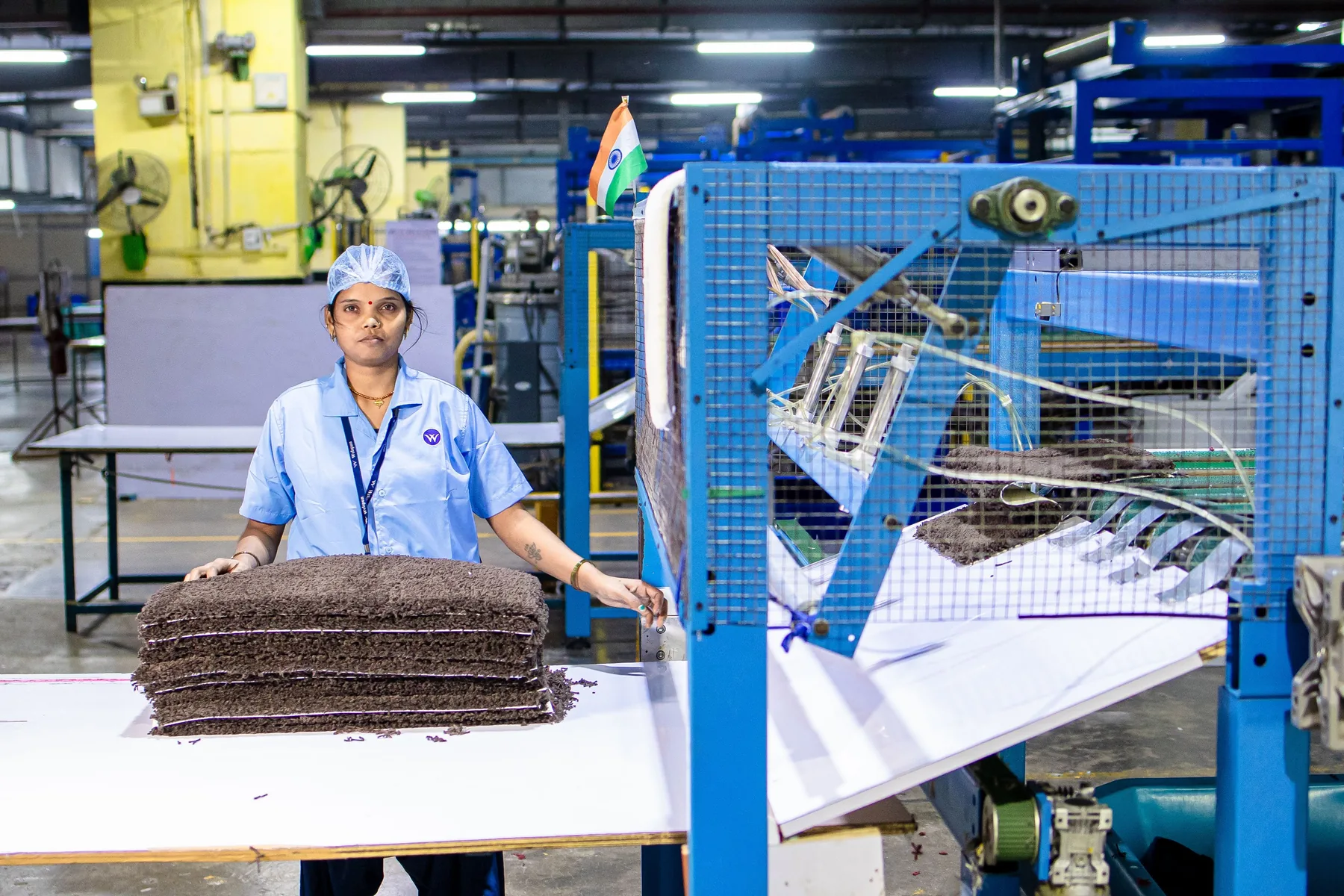
A credible industry configuration begins with how work, ownership and employee service actually happen.
Operate common employee standards while preserving legitimate differences between plants, offices and worker groups.
Account for shift boundaries, weekly offs, night work, overtime and late attendance corrections.
Place exception review, leave, overtime and workforce actions with line supervisors before payroll cut-off.
Keep mandatory training, licences, safety records and renewal dates linked to the employee record.
The product scope should focus first on the handoffs and exceptions that create operating risk.
Rotations, night shifts, weekly offs and overtime rules vary by plant, unit and employee group.
Device data, manual corrections and supervisor approvals often reach payroll late.
Plants may operate different calendars, transport schedules and workforce policies.
Joining, transfers, confirmations, wage revisions and exits need consistent records and approvals.
Build rotations, coverage plans, night shifts and weekly-off patterns.
Import device data, resolve exceptions and lock attendance before payroll.
Bring approved attendance, overtime, revisions and one-time inputs into one close.
Track mandatory training, certifications and expiry dates.
Review absence, overtime, headcount movement and cost by unit.
Support approvals, attendance and requests away from a desk.
Use scenarios like these in the product demonstration to test policy depth, ownership, exceptions and downstream impact.
Import device data, isolate missing punches and shift mismatches, route them to supervisors and lock approved attendance.
Apply the effective date, reporting change, shift policy, location calendar, payroll group and access updates together.
Validate eligibility and approvals, compare overtime by unit and pass only approved values into payroll.
Review workforce availability, vacancies, absence, training status and planned shift coverage before the period begins.
Plant-wise workforce movement, payroll readiness, absence, overtime and open employee-risk signals.
Joiners, transfers, documents, attendance closure, employee requests and payroll inputs.
Team roster, exceptions, leave conflicts, overtime requests and overdue actions.
People cost, overtime movement, payroll variance and workforce availability by unit.
The final sequence depends on current systems, data quality and payroll complexity.
Agree structures, policy owners and success measures.
Configure and validate with business owners.
Run a controlled pilot and resolve edge cases.
Scale with adoption and operating governance.
Bring policies, representative edge cases and actual owner roles into the evaluation.
Yes. Policies can be segmented by entity, plant, employee group, shift or another approved workforce attribute while remaining reportable at enterprise level.
Yes. Device data should enter an exception-led attendance close where supervisors and HR resolve gaps before the period is locked for payroll.
The operating model can include configured workforce types and contractor-related records. Final scope, access and payroll treatment should be agreed during implementation.
We’ll focus on workforce groups, locations, attendance, payroll inputs, approvals and the leadership view that follows.