Growth should not turn HR into the bottleneck
A growing company adds more than employees. It adds managers, locations, policies, approvals, payroll inputs, employee questions and decisions that must happen at the right time. Processes that worked for a smaller team begin to depend on increasingly fragile spreadsheets, inboxes and individual memory.
duoHR is being introduced for that stage of growth: when the organisation needs a clearer operating system for people, but does not want a collection of disconnected tools that create another reconciliation problem.
- One dependable employee and organisation model
- Visible ownership for recurring HR processes
- Connected time, payroll and lifecycle workflows
- Useful workforce views for HR and business leaders
A people operating system, not a folder of features
The product is organised around the employee lifecycle: recruit, hire, onboard, manage time and leave, pay, develop, engage and offboard. Each module can be introduced in phases, while employee records, organisation structures, permissions and reporting dimensions remain connected.
That connection matters. An approved transfer should be able to update the employee record, manager, location, attendance policy, payroll context and leadership reporting from the correct effective date—without five teams re-entering the same change.
- Recruitment and digital onboarding
- Core HR, employee profiles and organisation charts
- Attendance, shifts, timesheets, overtime and leave
- Payroll, reimbursements, loans and recoveries
- Performance, OKRs, learning and engagement
- Documents, workflows, self-service and exit management
Built around the mandate of the Head of HR
Heads of HR are accountable for operational reliability and strategic direction at the same time. Payroll must close. Managers must act. Employees need answers. Leadership expects clarity on workforce cost, movement, capability and risk.
duoHR is designed to bring those responsibilities into the same operating picture: status and exceptions for the team running HR, role-based actions for managers and employees, and consistent definitions for leadership review.
- Payroll readiness and variance
- Attendance closure and overtime
- Joining and exit readiness
- Manager action ageing
- Headcount, cost and workforce movement
- Hiring, performance, engagement and retention signals
AI assistance with human decision ownership
The AI HR Companion is intended to reduce repetitive work and improve access to approved information. Planned use cases include letter and policy drafting, employee HR questions, payroll review assistance, performance summaries, anomaly signals and natural-language reporting.
The design principle is equally important: sensitive employment and payroll decisions remain with authorised people. AI output should follow role-based access, identify the information used, support review and preserve an accountable action history.
- Approved knowledge and templates
- Permission-aware answers
- Human review for sensitive actions
- Traceable inputs and accepted outcomes
- Signals presented for investigation, not as final judgement
Made for growing Indian businesses across industries
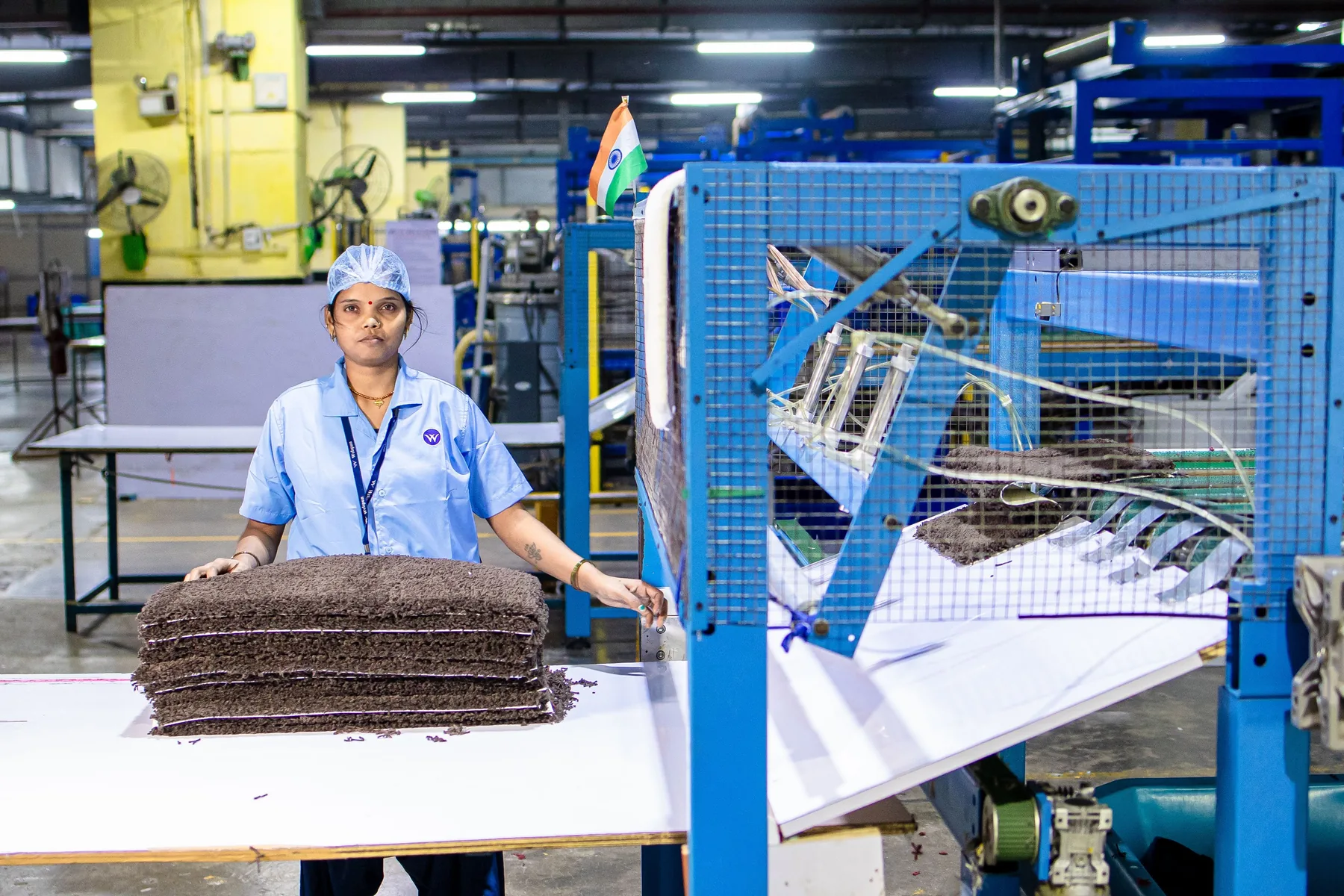
The common HR foundation is configurable for different operating realities. A manufacturer needs plant shifts, attendance closure and overtime control. A retailer needs store coverage and mobile manager actions. A hospital needs 24/7 rosters and credential tracking. An IT services company needs hiring, hybrid work, performance and project-linked inputs.
duoHR is positioned for SMBs and mid-size organisations that need multi-location control without enterprise software becoming an implementation project of its own.
- Manufacturing
- Retail
- Healthcare
- IT and ITES
- Construction and infrastructure
- Education
- Hospitality
- Logistics and warehousing
- Professional services
- BFSI
Start with the process that carries the most operating risk
A sensible rollout does not need to activate every module at once. Many organisations begin with employee data, attendance, leave and payroll. Others first need digital onboarding, manager workflows or employee self-service. The right sequence depends on current risk, data quality and internal ownership.
The standard duoHR implementation path is framed around discovery, data migration, configuration, training and go-live. A four-week target is presented for a prepared standard implementation, while complex payroll, integrations, entities or data conditions may require a different plan.
- Week 1: discovery and operating decisions
- Week 2: data migration and validation
- Week 3: configuration and scenario testing
- Week 4: training and readiness
- Go-live with visible support and stabilisation
This article reflects the current duoHR launch positioning and product material. Feature availability, pricing, implementation, security assurance and statutory configuration require confirmation against the production release and customer scope.